

Commercial Direct Expansion Air Handling Unit
Modular Desiccant Wheel Dehumidification Unit
Modular moisture control using a desiccant wheel and regeneration air circuit.
Modular Desiccant Wheel Dehumidification Unit
Overview
The modular desiccant wheel dehumidification unit provides continuous moisture removal for applications where a cooling coil alone is not sufficient. Process air passes through a slowly rotating desiccant medium, which adsorbs water vapour before the drier air leaves the treatment section.
A separate heated regeneration airstream removes the retained moisture from another zone of the wheel and carries it outdoors. As the wheel rotates between the process and regeneration zones, adsorption and regeneration continue as a repeating cycle. This arrangement allows moisture control to be coordinated with the required supply-air temperature.
The catalogue includes basic and combined units, with optional filtration, pre-cooling, post-cooling and mixing sections. Electric or steam regeneration can be selected according to the available utilities and project operating strategy.
PRODUCT DETAILS
Product Features
Continuous desiccant process
The rotating moisture-adsorbing medium moves between treatment and regeneration zones. This provides ongoing drying instead of relying on a material that must be removed and replaced after every operating cycle.
Separate regeneration circuit
A dedicated fan and heater supply regeneration air to remove moisture from the wheel. The regeneration airflow, heat source and exhaust route are designed together with the process-air duty.
Modular treatment arrangement
Pre-cooling, post-cooling, filtration, fan and mixing sections can be combined around the moisture-control section. This allows the unit to address temperature and humidity as related design requirements.
Choice of regeneration heat
The catalogue lists electric and steam heating options. The appropriate arrangement depends on the site’s utilities, regeneration duty, operating hours and the selected equipment configuration.
Insulated cabinet construction
An aluminium-alloy frame and double-skin insulated panels support the modular assembly. Thermal-bridge control and a sealed wheel arrangement help manage unwanted heat transfer and air bypass.
Optional monitoring and controls
PLC control and selected alarms can support fan, heater and rotor operation. Options include humidity control, rotor-stop or filter alerts, remote operation and monitoring of selected temperatures.
MODEL DATA
Technical Specifications
LF standard desiccant wheel dehumidification series. Catalogue pages 35–36.
Swipe tables horizontally to view all specifications.
| Model | Moisture removal (kg/h) | Process airflow (m³/h) | Electric regeneration (kW) | Steam regeneration (kg/h) |
|---|---|---|---|---|
| LF-15 | 12–20 | 720–2040 | 18 | 40 |
| LF-30 | 20–32 | 1380–4020 | 36 | 70 |
| LF-50 | 32–60 | 2280–6660 | 60 | 120 |
| LF-80 | 60–95 | 3720–10740 | 96 | 200 |
| LF-120 | 95–150 | 6120–17460 | 144 | 300 |
| LF-200 | 150–230 | 9720–27900 | 240 | 500 |
| LF-250 | 230–310 | 12060–34440 | 300 | 600 |
| Model | Regeneration fan (kW) | Wheel speed (rph) | L × W × H (mm) | Weight (kg) |
|---|---|---|---|---|
| LF-15 | 0.37 | 10–23 | 1100 × 850 × 1430 | 220 |
| LF-30 | 1.1 | 10–23 | 1300 × 1100 × 1880 | 260 |
| LF-50 | 2.2 | 10–23 | 1500 × 1300 × 2130 | 350 |
| LF-80 | 3 | 15–28 | 1600 × 1520 × 2390 | 420 |
| LF-120 | 4 | 15–28 | 1800 × 1960 × 2750 | 550 |
| LF-200 | 7.5 | 15–28 | 2200 × 2150 × 3130 | 700 |
| LF-250 | 11 | 15–28 | 2400 × 2500 × 3530 | 900 |
Catalogue rating basis: process air 20°C and 60% RH; regeneration temperature 120–140°C. Electric and steam entries are alternative regeneration arrangements. Wheel speed is revolutions per hour (rph), as printed. Cabinet dimensions may vary with the project configuration.
WHERE IT WORKS
Applications
The catalogue identifies electronics production, precision-instrument rooms, museums, libraries, storage and process drying as applications. More demanding low-humidity production requires a model and complete treatment arrangement specifically selected for that duty.
Confirm process airflow, entering conditions, target humidity, regeneration utilities and exhaust routing. Very low dew-point duties require a dedicated selection and should not be assumed from the general product description.
Send Your Requirements →- Electronics and industrial production with defined humidity limits.
- Museums, archives and material stores concerned with moisture exposure.
- Food, film, wood and other process-drying applications.
- Specialist dry-room systems designed around a specified humidity or dew point.


RELATED EQUIPMENT
More in This Product Family
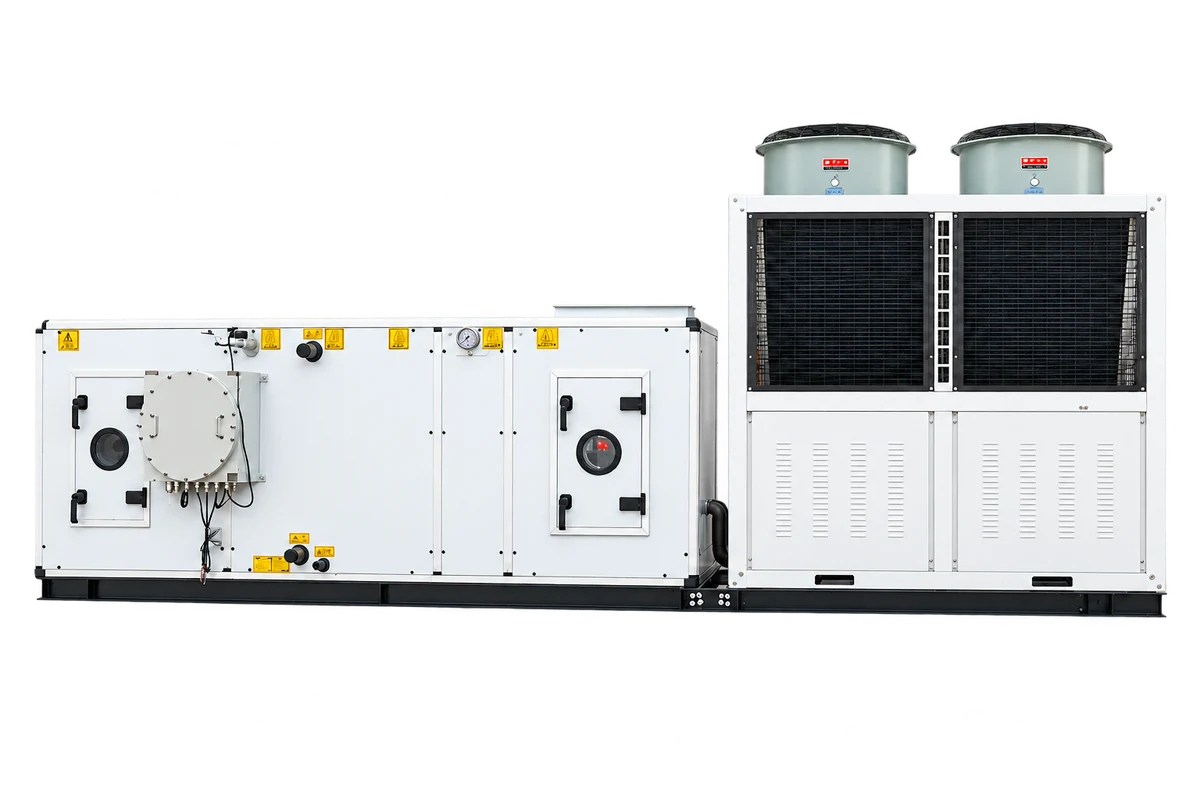
Explosion-proof air conditioning unit
Air conditioning equipment configured for the specified hazardous-area requirements.
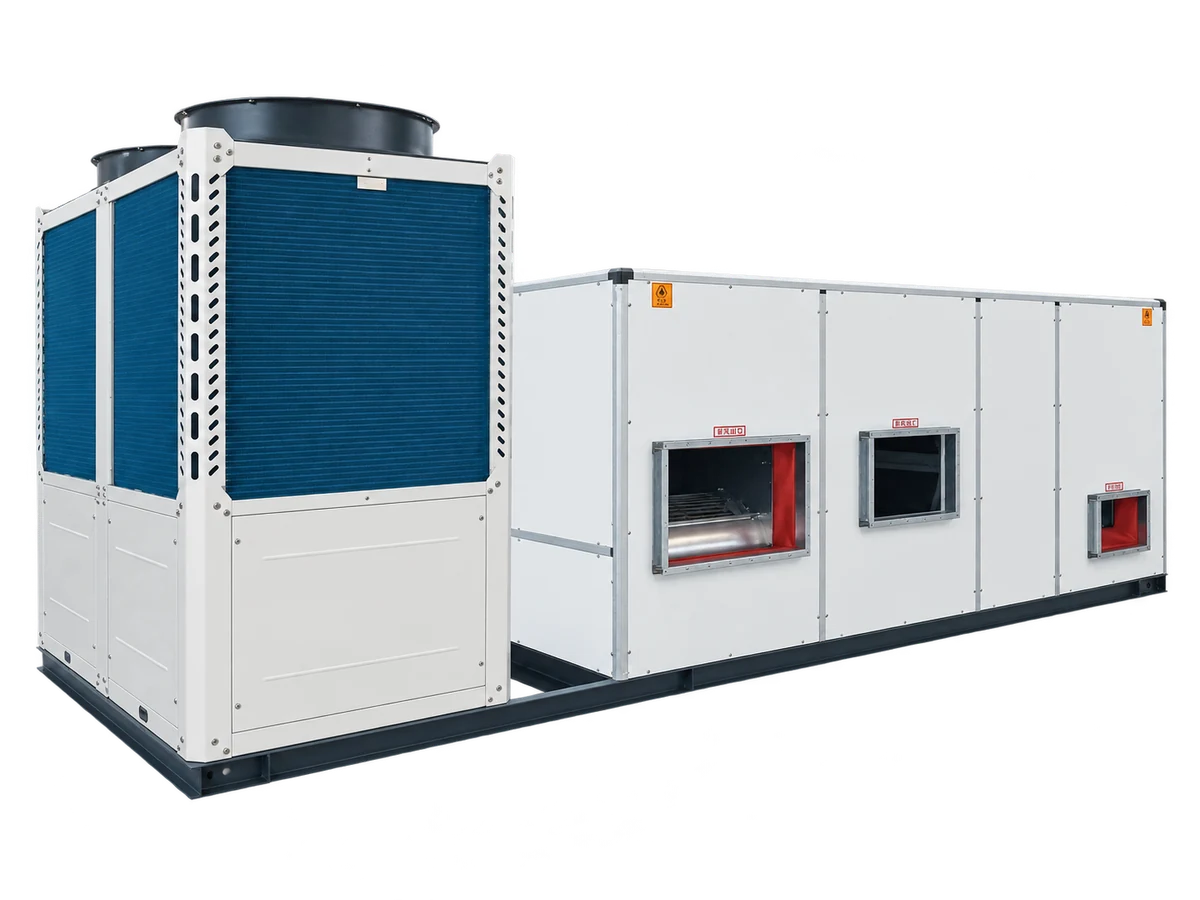
Direct Expansion Air Handling Unit
An indoor air handling assembly paired with an outdoor refrigeration unit. Its modular sections can be selected for filtration, cooling and other air treatment duties.
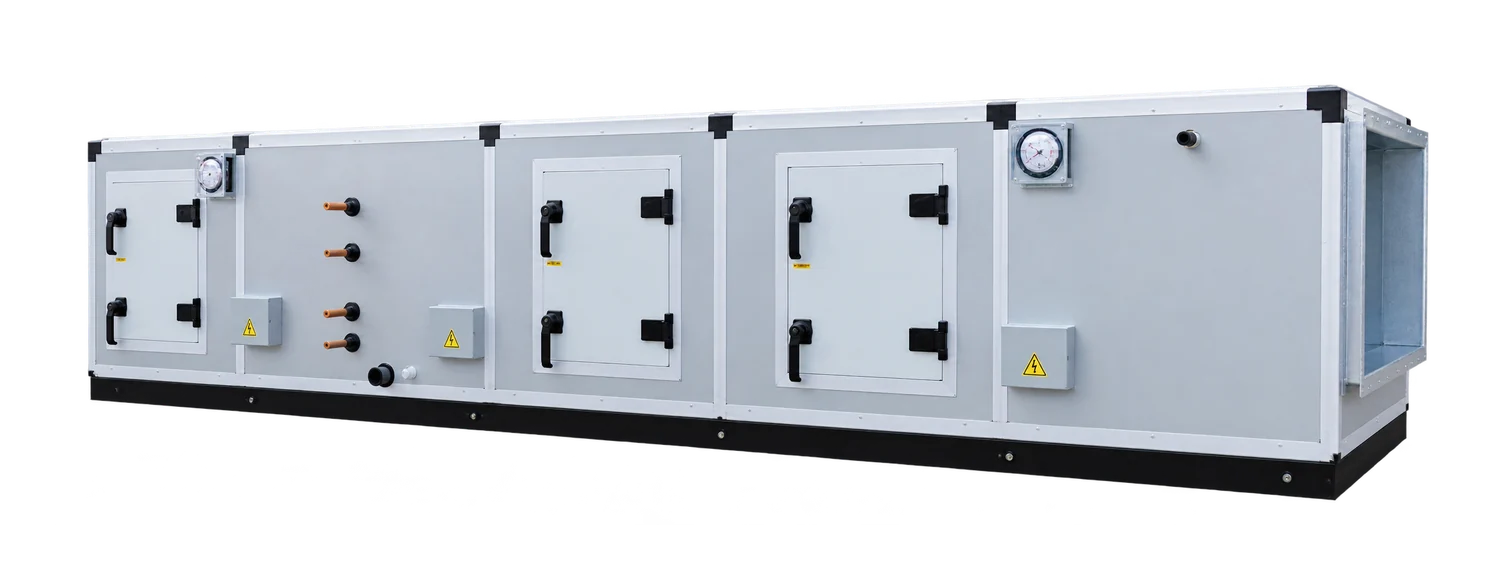
Medical Clean Air Handling Unit
Air treatment equipment for medical and controlled-environment projects.
PROJECT INQUIRY
Discuss This Equipment
Tell us about your equipment requirements and installation conditions.
From cleaner air
to a better future.